


Let’s be honest – a small yard doesn’t mean you’re stuck with limited options. You’ve got more potential in that compact space than you might think. The secret isn’t cramming everything in or making it look busy. It’s about smart design choices that trick the eye, create functional zones, and make every square foot work harder. Whether you’re dealing with a tiny backyard, a narrow side yard, or a small front entrance, the right landscaping techniques can transform your space from cramped to cozy and inviting.
Maximize small outdoor spaces by using vertical gardening (trellises, wall planters, climbing plants), creating distinct zones with pathways or borders, and choosing compact plants with year-round interest. Strategic lighting, mirrors, and light-colored hardscaping make spaces feel larger while multi-functional features like built-in seating with storage add practicality without cluttering.
When ground space is tight, look up. Vertical gardening isn’t just trendy – it’s one of the most effective ways to add greenery without sacrificing precious square footage.
Install trellises against fences or walls and train climbing roses, clematis, or jasmine up them. You’ll get beautiful blooms and privacy screening without losing walkway space. Wall-mounted planters create living art installations that draw the eye upward, making your yard feel taller and more expansive.
Tall, narrow plants like Italian cypress or columnar junipers provide structure and height without spreading wide. They’re perfect for defining boundaries or creating privacy screens in tight quarters. Consider tiered plant stands or ladder shelves on patios – they let you grow herbs, flowers, or succulents in layers rather than sprawling across your deck.
For homeowners looking to build custom outdoor features, we provide complete projects that incorporate vertical elements seamlessly into your overall landscaping design.
Here’s the thing about small spaces – they feel even smaller when everything’s pushed to the edges. You need to create layers and sightlines that make the eye travel.
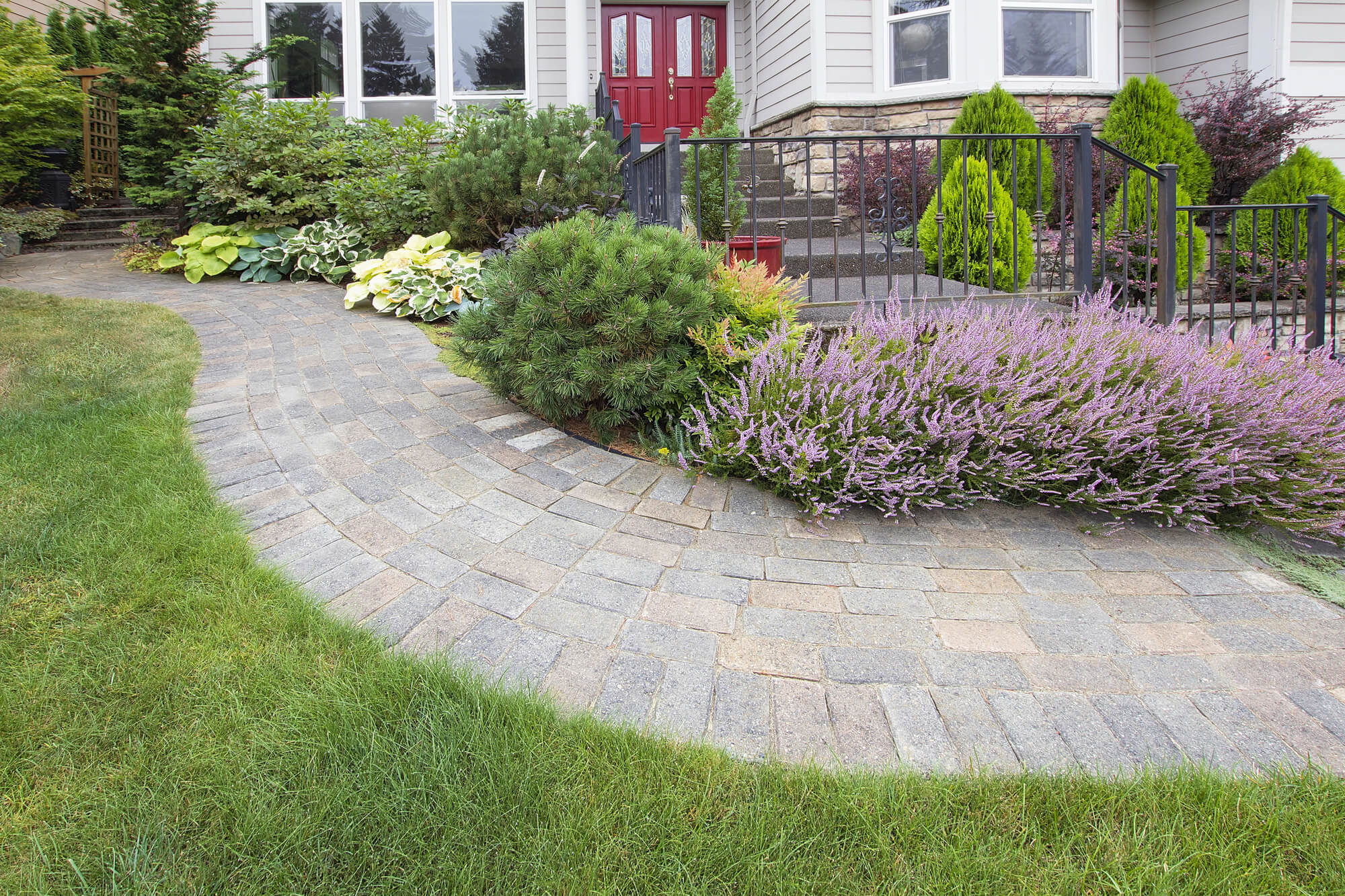
A zigzag stepping stone path takes up no more room than a straight one, but it makes your journey through the space longer and more interesting. That perceived distance translates to a feeling of more space.
Don’t forget about borrowed scenery. If your neighbor has a beautiful tree, design your layout to frame views of it. You get the visual benefit without using any of your own space.
Every element in a small yard should earn its keep by serving multiple purposes.
Built-in bench seating with storage underneath gives you a place to sit while hiding garden tools, cushions, or kids’ toys. A low retaining wall can double as casual seating during gatherings. Raised garden beds provide planting space while defining zones and creating a comfortable working height – no more bending over.
Choose a fire pit with a cover that converts to a table when you’re not burning wood. Install pergolas with retractable canopies that provide shade in summer but let light through in winter. Water features don’t have to be large – a compact bubbling fountain provides soothing sound and becomes a focal point without requiring much space.
Container gardens offer ultimate flexibility. You can rearrange them seasonally, move them to follow the sun, or swap out plants as they finish blooming. Large containers make a bigger visual impact than scattered small pots while actually using less total space.
The right color palette can dramatically affect how large your space feels. Light colors recede and make boundaries feel farther away, while dark colors advance and can make spaces feel enclosed.
Paint fences white or light gray to reflect light and push visual boundaries back. Choose pale gravel or light-colored pavers for paths and patios. Plant silver-foliaged plants like lamb’s ear or artemisia to brighten dark corners.
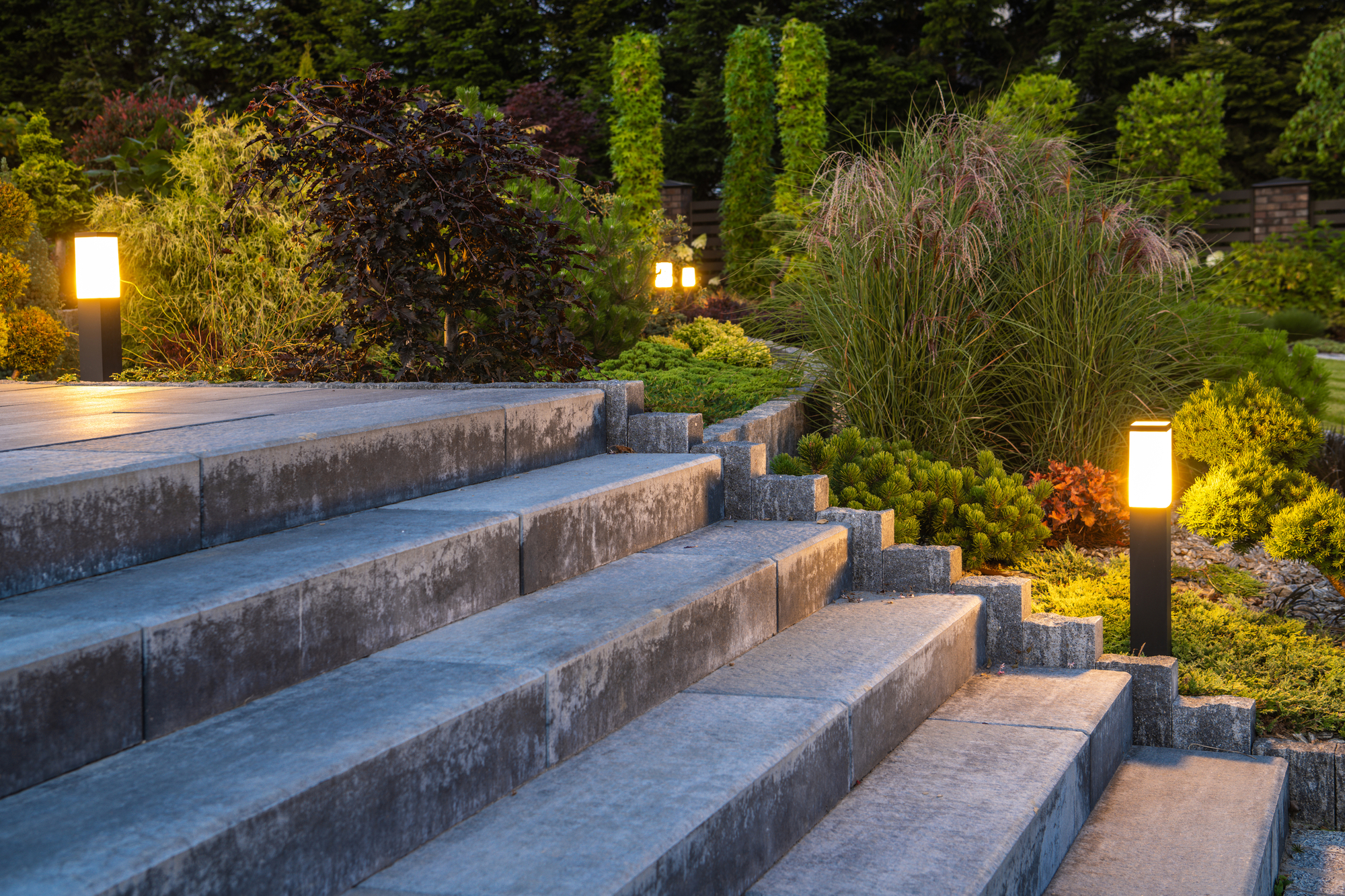
Strategic lighting extends usable hours and creates depth after dark. Uplighting trees makes them seem taller and creates dramatic shadows. Path lights guide movement while making walkways feel longer. String lights overhead draw the eye up and create a canopy effect that defines space without closing it in.
Mirrors in gardens? Absolutely. A weatherproof mirror on a fence reflects plants and sky, creating the illusion of an opening or continuation of your garden. Just position it to reflect your best plants, not a boring wall.
Choosing the right plants matters more in small spaces than in large ones. You can’t hide mistakes behind acres of lawn.
Go for plants with multiple seasons of interest. A serviceberry gives you spring flowers, summer fruit, fall color, and attractive winter bark. That’s four seasons of value from one small tree. Avoid one-hit wonders that look great for two weeks, then fade into green blobs.
Container planting gives you the flexibility to feature different plants throughout the year. Spring bulbs in pots make way for summer annuals, then fall mums or ornamental kale. One container, four seasonal displays.
Avoid fast-spreading plants that’ll take over in two years. Skip the running bamboo (seriously, don’t), ajuga, and mint unless they’re heavily contained. You’ll spend more time controlling them than enjoying your space.
Even small yards benefit from having distinct areas – you just need to define them without eating up space with physical barriers.
Different paving materials naturally separate zones. Transition from a gravel sitting area to a paver pathway to a mulched planting bed. Your eye reads these as different spaces even though there’s no fence between them.
Changes in level work wonders. A single step up to a small deck or down to a sunken seating area creates a clear definition. You don’t need dramatic elevation changes – six inches is enough to signal “this is a different zone.”
Plant borders work better than hardscape ones in tight spaces. A low hedge of boxwood or a line of ornamental grasses creates a visual barrier you can see through, maintaining sightlines while establishing boundaries. This beats a solid fence that chops your yard into even smaller pieces.
We help homeowners throughout Baton Rouge, Denham Springs, Walker, and the Greater Baton Rouge area create custom outdoor living spaces that maximize every inch of their property.
You don’t need to spend thousands to transform a small space. Focus your budget where it’ll show the most.
Paint is cheap and transformative. A weekend and $50 worth of exterior paint can completely change how your fence, shed, or walls affect your space. Fresh mulch costs little but makes everything look instantly tidy and finished.
Repurpose materials creatively. Old pallets become vertical herb gardens. Broken concrete pieces create mosaic-style pathways. Vintage containers (galvanized tubs, ceramic crocks) make unique planters with more character than plastic pots.
Do prep work yourself and hire professionals for skilled tasks. You can clear debris, remove old plants, and dig bed edges. But for projects like installing built-in seating, custom pergolas, or complex hardscaping, bringing in experienced help ensures proper installation that’ll last.
Small yards force you to be more creative and intentional than sprawling properties. Every plant choice matters. Every design decision has a visible impact. That’s not a limitation – it’s an opportunity to create something truly personalized.
Start with one or two strategies that resonate with you. Maybe it’s adding vertical elements this season and tackling your color palette next year. Or perhaps you’ll focus on creating one beautiful zone rather than trying to do everything at once.
The beauty of compact spaces is that changes don’t require massive investment or months of work. A weekend project can noticeably improve your entire outdoor area. Don’t let limited square footage stop you from creating the outdoor space you want.
Ready to maximize your outdoor potential? Red Stick Construction provides start-to-finish turnkey landscaping projects throughout the Greater Baton Rouge area, helping you create functional, beautiful spaces regardless of size.
Planting too much, too close together. People panic about space and cram in plants that’ll outgrow the area in two years. Give plants room to reach their mature size. Better to have fewer, well-placed plants than a jungle you’ll constantly battle.
A small patch of lawn works fine if you’ll actually use it for sitting, playing, or walking barefoot. But if it’s just there because yards “should” have grass, consider alternatives like groundcovers, gravel, or expanded patio space that require less maintenance and offer more usability.
Choose semi-transparent options like ornamental grasses, bamboo screening panels, or open-style fencing rather than solid walls. Layer plants at different heights instead of creating one solid hedge. Privacy comes from strategic blocking of specific sightlines, not surrounding yourself with walls.
Aim for roughly 40-50% hardscaping (paths, patios, gravel areas) and 50-60% planted areas, including lawn. This gives you usable space while maintaining enough greenery to feel like a garden. Adjust based on whether you want more entertaining space or more planting beds.