


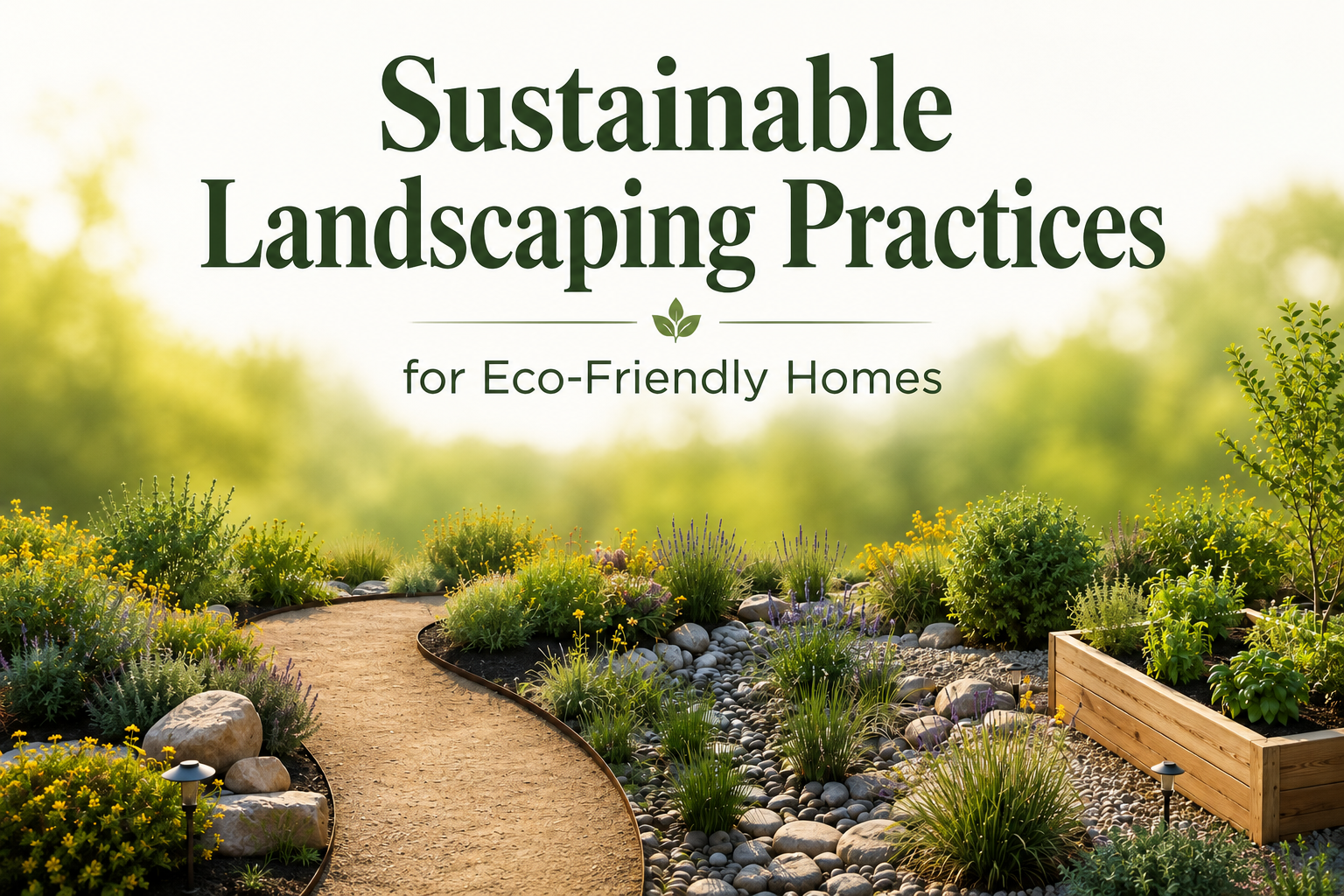
Sustainable landscaping creates beautiful and meaningful outdoor spaces while preserving the environment. Native plants and water-wise irrigation systems allow for water conservation as well as eco-friendly homes. Chemicals are kept to a bare minimum with our low-maintenance design.
We also use permeable materials and energy-efficient features in the long run. Such pragmatic landscaping designs are an advantage to your finances and a healthier environment for the generations that follow. At Red Stick Construction, we can assist in building your landscape with eco-friendly options.
Sustainable landscaping addresses the design of outdoor spaces, from gardens to courtyards, really from the user’s perspective: keeping an outdoor space useful while giving support to nature, on the other hand. Therefore, it is an aesthetic benefit for immediate and future generations. This kind of landscape embraces eco-friendliness while addressing the array of special concerns that opposites have.
Begin with native and drought-tolerant plants that perform within the locale, requiring little irrigation and chemicals. Grass and wildflowers conserve water while enhancing other flora and fauna. Hydrozoning, which is grouping plants according to their water needs, will increase irrigation efficiency and fill vibrant landscapes.
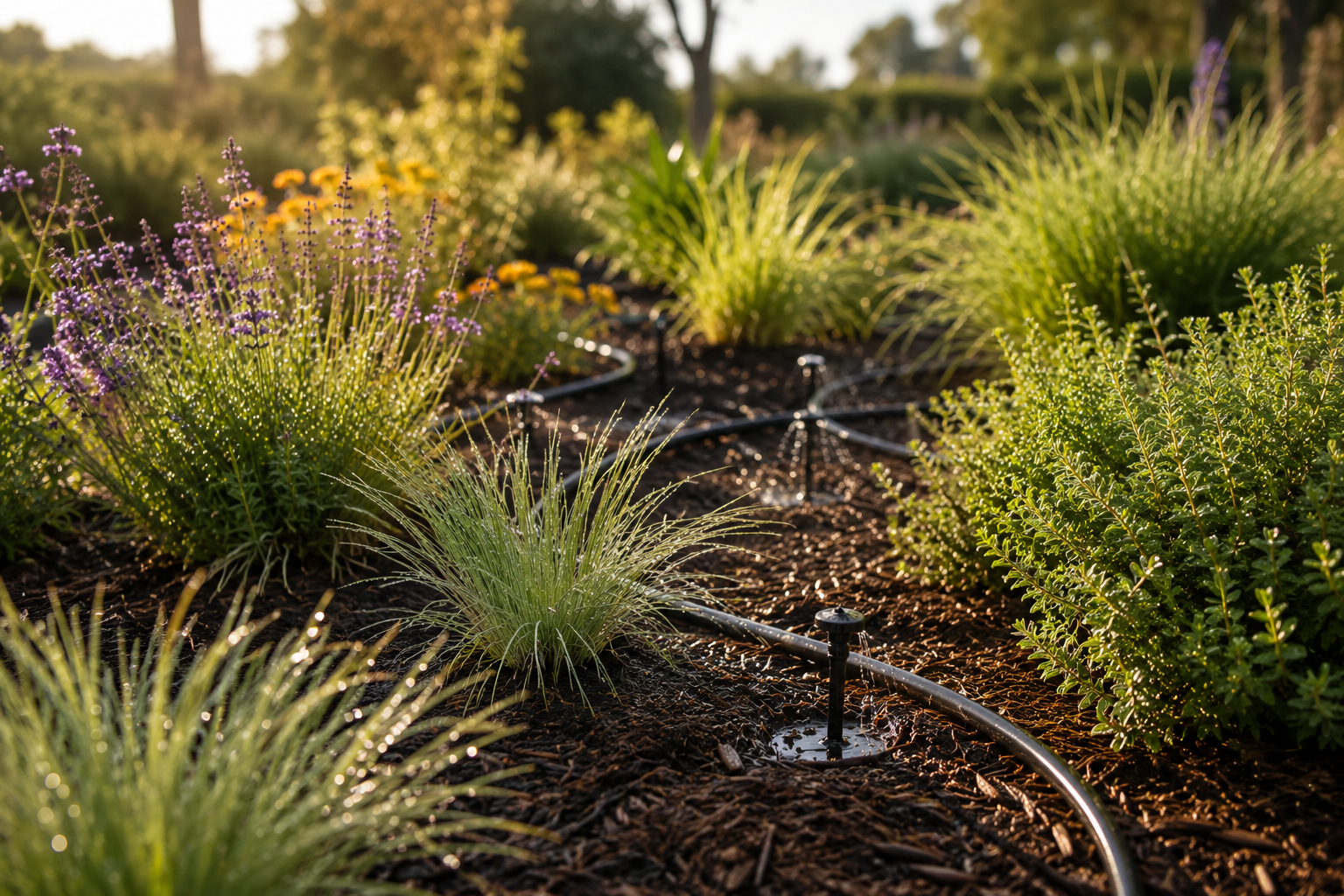
Resource conservation is undeniably one of the things to be considered for eco-friendly landscaping. With highly efficient drip irrigation systems and smart controllers, one can reduce water consumption by almost 50-70%.
Another thing to mention is rain gardens and bioswales that help filter stormwater, thereby reducing runoff and allowing groundwater replenishment. Also, impermeable hardscape materials allow water to seep into the ground, conserving water and preventing erosion.
Diverse landscapes attract pollinators, birds, and beneficial insects. Creating habitats by planting flowering shrubs and trees, such as hibiscus or magnolia, aids pollination. Nesting layers of vegetation benefit the ecosystem’s health.
The lighting design limits light pollution but, at the same time, provides safety. It further saves on energy through the installation of LED fixtures.
Through the use of durable materials and smart water management systems, beautiful landscapes are kept. Restoration processes respect natural structures that improve performance and eliminate maintenance during the wet season.
Sustainable landscaping fuses an ecological conscience with smart design, resulting in exquisite environments that are both beautiful and good. Instead, let’s raise the bar on efficiency, biodiversity, and aesthetics. This method helps us design gardens that are more resource-efficient and restorative to the natural ecosystem.
 Let the design be thoughtful with native plants. They thrive under local conditions and usually require less watering and fewer fertilizers.
Some examples are Gulf Coast muhly grass and Southern magnolia, both of which are low-maintenance plants in Louisiana.
It is easy to care for plants that are grouped according to their water and sunlight needs. Instead of mowing a huge lawn, think of using beautiful, drought-tolerant ground coverings like clover or creeping thyme.
Sustainability is much more than plant selection; for example, rain gardens and permeable pavers direct storm flows and protect waterways. Raised beds for growing vegetables, flowers, or herbs made from recycled materials contribute beauty as well.
Efficient watering systems, such as drip irrigation, save water since they drench the soil around plant roots, thereby controlling wetness through irrigation. Include composting zones to minimize waste and eliminate the need for chemical fertilizers.
This promotes the health of the garden. Install birdhouses and bee hotels for wildlife. Plant different flowers that can attract butterflies and hummingbirds. Ponds or birdbaths can provide a natural source of water for animals. Small patches of wild vegetation can provide refuge for some native species and would foster a balanced ecosystem.
Sustainable gardens can be beautiful, too. Planting windbreaks and shade can improve aesthetics while promoting energy efficiency. Edible landscaping, be it culinary herbs or shrubs that produce fruits, marries beauty with usefulness.
Paths of natural materials, such as decomposed granite or wood chips, add texture and improve permeability. Balancing these different aspects can create a garden that is both lovely and sustainable.
By using landscape features to improve energy efficiency, you can keep your property looking great while keeping energy usage down and doing your part for the environment.
Developing and incorporating energy-efficient landscape features will ultimately benefit the homeowner and our planet’s environment over the long term.
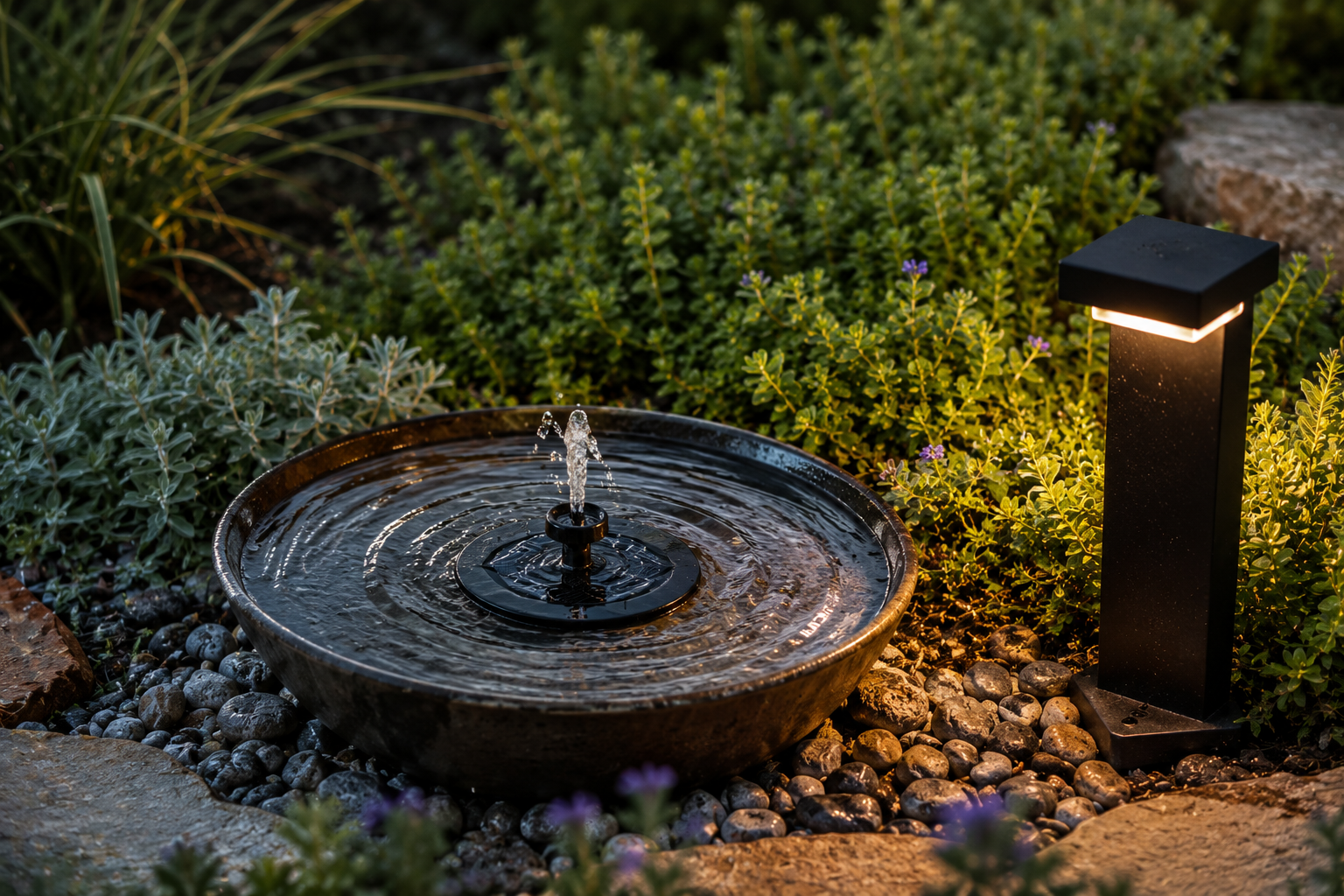 Make your surroundings a brilliant picture using environment-friendly elements, in addition to the general aspects of beautifying the landscape. Install solar-powered water features like fountains or ponds.
They adorn your yard with a certain nicety and save energy from electrical wiring, causing less electricity consumption because it works well in sunny areas.
Many are equipped with battery storage to ensure water flow even on cloudy days or at night. Place them near patios or gardens for maximum cooling in the summer.
An excellent means of saving energy inside is LED outdoor lighting. These can reduce electric consumption by up to 75% of conventional bulbs, offering a longer lifetime and savings in maintenance.
With pathway lights and wall-mounted LEDs, you can enjoy your landscape and reduce energy consumption. Warm LEDs offer a cozy atmosphere and have dimmable switches to set the mood perfectly.
The benefits of irrigation and lighting systems are maximized. Programming sprinklers, for example, waters early in the morning or during the night so that there would be less evaporation. Lighting controlled by a smartphone also allows for setting and adjusting brightness externally.
Green roofs are those roofs that are shrouded in vegetative systems. Those roofs keep cooling costs down during summer and also prevent the escape of heat during winter.
These roofs come with many benefits, such as improved air quality, opportunities to increase local biodiversity, and more ecological benefits, thus making them a very good component of every house.
Landscaping sustainably has many benefits apart from beautifying the landscape. It keeps water and energy use low in its healthy environment for you and your community. Grow native plants, use efficient irrigation systems, and choose permeable materials as combined measures to harmonize with nature.
Features like the rain garden and solar lighting can beautify a yard while conserving resources. We are in the business of designing custom, sustainable landscapes. Join us as we create a beautiful, green outdoor area for you today at Red Stick Construction. Contact us today!
Sustainable landscaping uses native, drought-tolerant plants, water-efficient irrigation, permeable materials, and energy-saving features to reduce environmental impact while keeping outdoor spaces beautiful and functional.
Drip irrigation systems paired with smart controllers can cut water consumption by roughly 50-70% compared to traditional sprinkler systems.
Gulf Coast muhly grass and Southern magnolia are both low-maintenance, native options well-suited to local conditions, requiring less watering and fewer fertilizers than non-native alternatives.
Hydrozoning means grouping plants based on their water needs. This makes irrigation more efficient since you’re not overwatering low-need plants or underwatering thirstier ones.
Rain gardens and bioswales filter stormwater runoff, reduce erosion, and help replenish groundwater by allowing water to soak into the soil rather than running off into storm drains.
Green roofs reduce cooling costs in summer and help retain heat in winter by adding a vegetative insulating layer, while also improving air quality and supporting local biodiversity.
LED lighting can reduce electricity consumption by up to 75% compared to conventional bulbs, while also lasting longer and requiring less maintenance.
Yes — many solar water features include battery storage, allowing them to keep running during cloudy weather or after dark.
Add birdhouses, bee hotels, native flowering plants, and small water sources like ponds or birdbaths. Leaving small patches of wild vegetation also gives native species a place to take refuge.
While some elements like permeable pavers or smart irrigation systems may have higher initial costs, they typically pay off through reduced water and energy bills, plus lower long-term maintenance needs.